
Radiotherapy in Visakhapatnam: What Every Cancer Patient Should Know
A simple guide to IMRT, IGRT, RapidArc, brachytherapy, and what patients can realistically expect during treatment.
In This Article
The Patient Who Made Me Write This
Laxamma was 60 years old when she sat across from me with a diagnosis of carcinoma cervix. When I told her she needed radiotherapy, I saw confusion more than fear. She had never heard the word before. She needed clarity, not jargon.
This article is for patients and families in Visakhapatnam who want a straight answer about radiotherapy without confusion or fear-mongering.
What Is Radiotherapy?
Radiotherapy uses high-energy radiation to damage cancer cells so they stop growing and dividing. The goal is always the same: treat the tumour while protecting as much normal tissue as possible.
External Beam Radiotherapy
Radiation is delivered from a machine outside the body. This is the most common type.
Brachytherapy
Radioactive sources are placed inside or close to the tumour so the dose reaches the cancer directly.
Systemic Radiation
A radioactive substance travels through the bloodstream, such as radioactive iodine in thyroid cancer.
How Does Radiation Kill Cancer Cells?
Radiation damages DNA — the instruction manual of the cell. Normal cells usually repair that damage better than cancer cells do, so cancer cells lose their ability to recover and eventually die.
Radiation does not instantly destroy the tumour in one dramatic moment. It quietly disrupts the biology of cancer cells and lets treatment work over time.
When Is Radiotherapy Used?
The Main Roles of Radiotherapy
- Primary treatment: when radiotherapy is the main curative treatment.
- Adjuvant treatment: after surgery to reduce recurrence risk.
- Neoadjuvant treatment: before surgery to shrink the tumour.
- Concurrent chemoradiation: together with chemotherapy in cancers such as cervix and head-and-neck cancer.
How Is Treatment Planned?
1
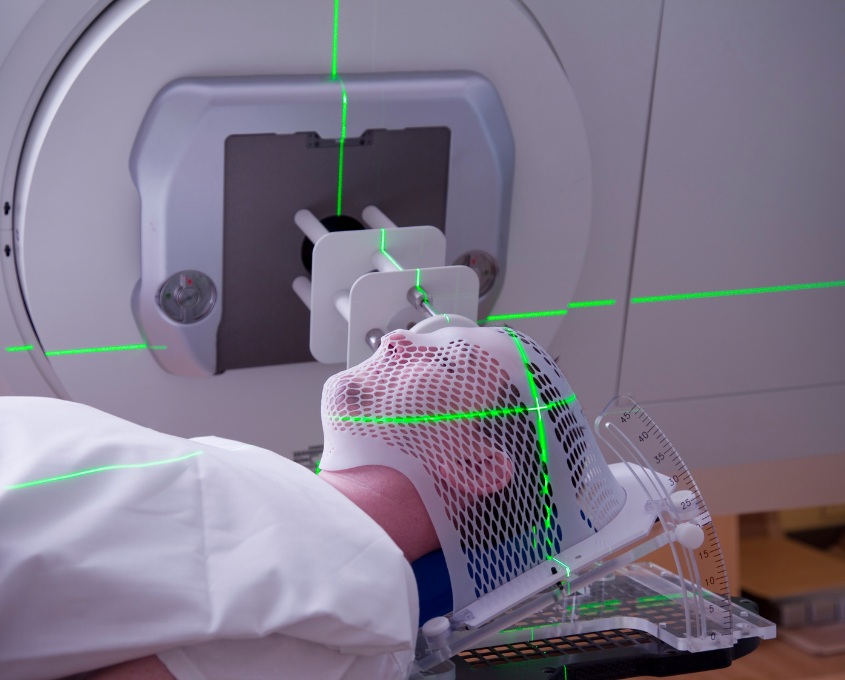
Immobilisation
A mould or positioning aid keeps the patient in the same position every day.
2
CT Simulation
A planning CT scan maps the tumour and nearby organs.
3
Contouring
The doctor outlines the target and organs at risk on each scan slice.
4
Treatment Planning
A 3D dose plan is created so the tumour gets the right dose while normal tissues are protected.
5
Daily Verification
Images before treatment confirm accurate positioning every day. https://www.cancer.gov/about-cancer/treatment/types/radiation-therapy
Modern Techniques — Demystified
| Technique | What it means | Why it matters |
|---|---|---|
| 3D-CRT | Beams are shaped to match the tumour. | More precise than older methods. |
| IMRT | Beam intensity varies within each field. | Better sparing of nearby organs. |
| IGRT | Imaging is done before each session. | Improves daily accuracy. |
| RapidArc / VMAT | The machine rotates continuously during treatment. | Fast, conformal treatment delivery. |
Brachytherapy
In brachytherapy, the source is placed inside or next to the tumour. This allows a very high dose to hit the cancer while surrounding tissues receive less.
For Cervical Cancer
- Brachytherapy is usually an essential part of curative treatment.
- It is not just an optional extra.
- Skipping it can reduce the chance of cure.https://drsumandas.com/cancer-treatment-procedures/
Why So Many Sessions?
Radiotherapy is given in multiple fractions because normal tissues recover better between treatments than cancer cells do. Fractionation also increases the chance of hitting cancer cells when they are more vulnerable.
Frequently Asked Questions
No. The treatment itself is painless, like an X-ray. Side effects depend on the treatment site and usually develop gradually.
Most sessions take around 15 to 20 minutes, though actual beam-on time is shorter.
No. Routine external beam radiotherapy does not make you radioactive.
Need clarity about your treatment?
Whether you are newly diagnosed or seeking a second opinion, understanding the plan clearly matters.


3 Comments
bracken5
January 7, 2014Very informative post about radiation therapy, thank you.
Dr Suman Das
January 7, 2014Thanks mr bracken
Julia Kate
February 24, 2014Now a days, there are different techniques for radiation therapy and there are various good diagnostic centers which provides good services for radiation therapy.